Understanding Food and Weight Through Multiple Perspectives

Explore different scientific viewpoints on nutrition, metabolism, and the complex relationship between food and body weight.

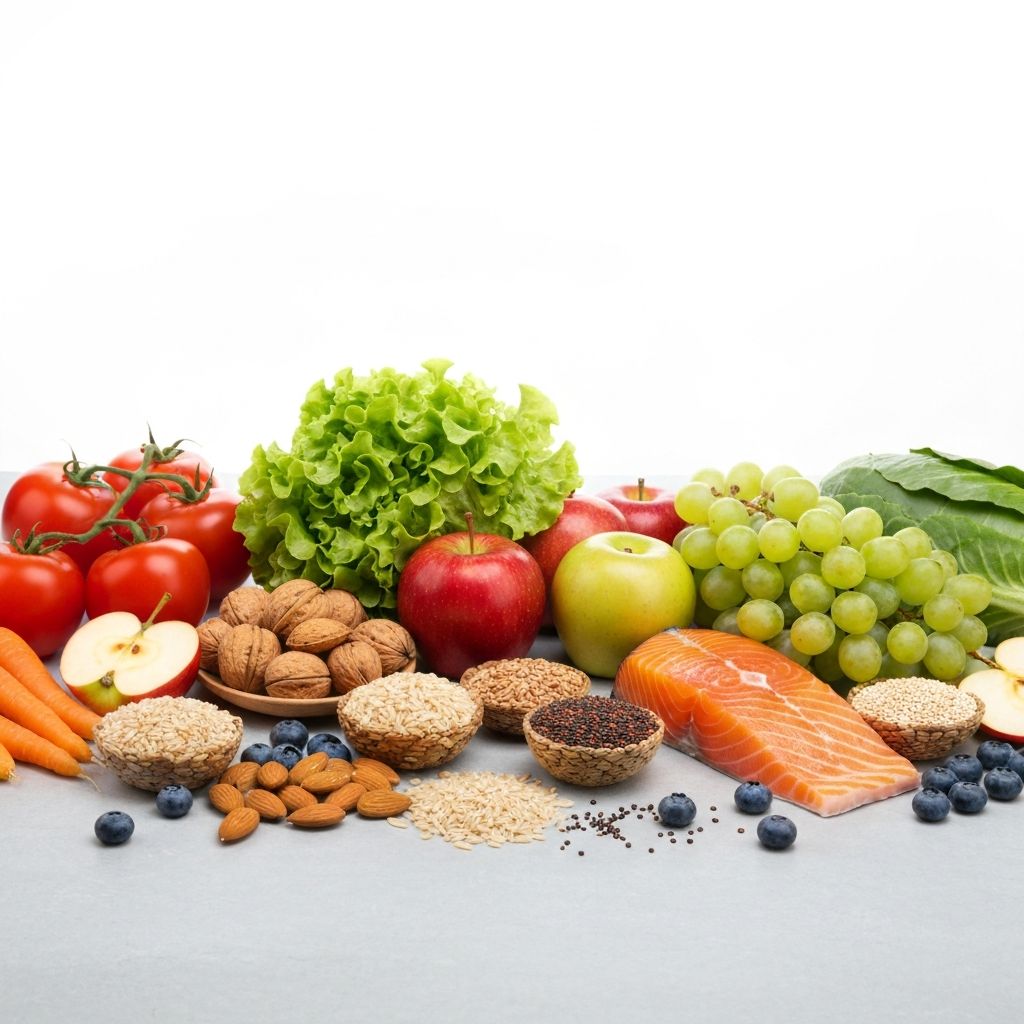
Varied fresh foods from different angles

Multiple Nutrition Viewpoints

The science of nutrition is multifaceted, with researchers and professionals approaching food and body weight from various angles. Different perspectives emphasize different factors, from energy balance and macronutrient composition to individual variation and lifestyle context.

Understanding these various viewpoints provides a more complete picture of how nutrition works in real-world settings, where individuals have different bodies, genetics, activity levels, and preferences.

Explore the Science

Diverse plates of food showing different nutritional approaches

Nutrient Roles from Different Angles

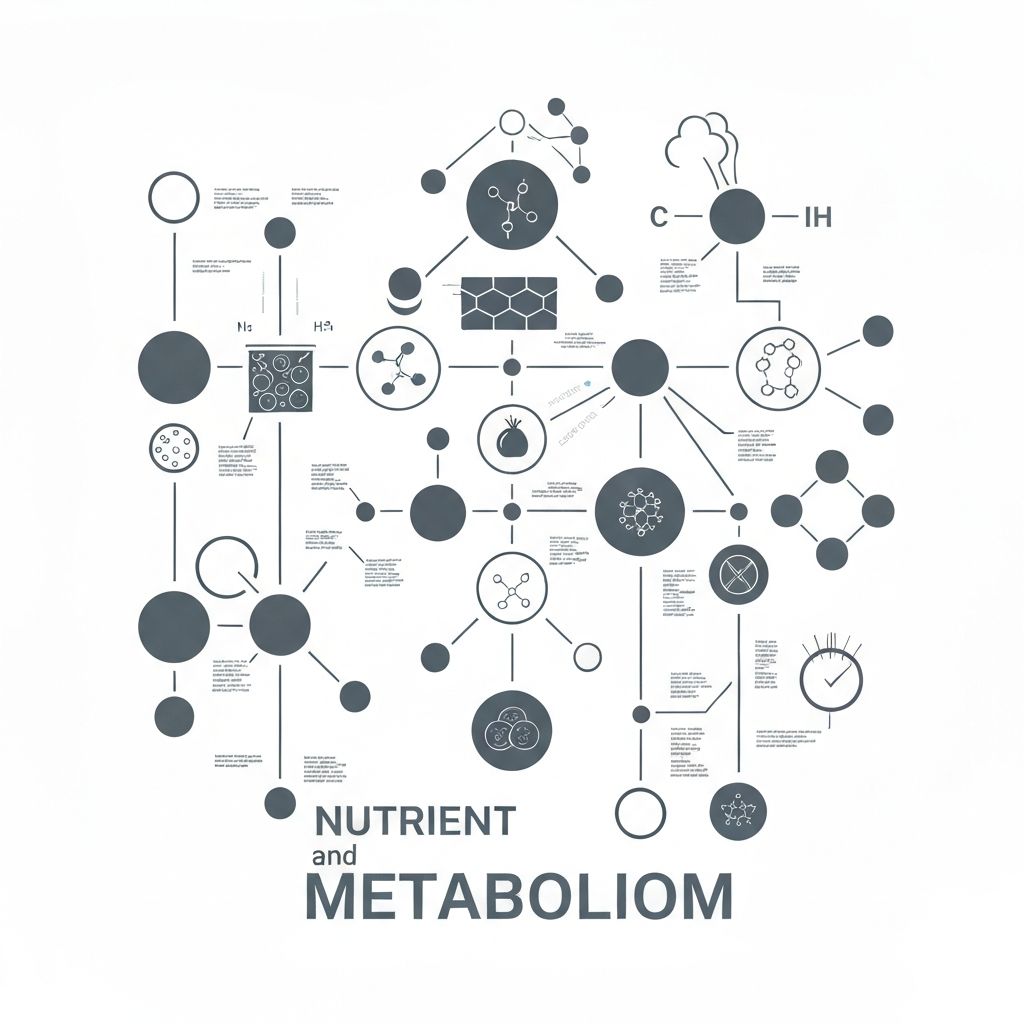
Scientific visualization of nutrients and metabolism

Different nutrients play various roles in the body. While some perspectives focus on energy provision and macronutrient balance, others emphasize micronutrient density, satiety effects, or metabolic implications of different food choices.

The science shows that proteins, carbohydrates, and fats all contribute differently to bodily functions. Understanding these roles helps explain why different dietary approaches may work differently for different individuals based on their unique contexts.

Lifestyle Factors Across Viewpoints

Beyond food itself, various perspectives emphasize the importance of lifestyle factors. Sleep quality, hydration, physical activity, and stress management are viewed as crucial components of overall health and body composition management.

Research consistently shows that these lifestyle elements interact with nutrition in complex ways. Different individuals may find certain approaches more practical or sustainable based on their specific life circumstances.

People in everyday natural movement and healthy activities

Featured Articles

Discover in-depth explorations of different scientific perspectives.

Foods representing energy and nutrients

Energy Balance from Various Scientific Angles

A comprehensive overview of how different researchers approach the energy balance equation and its relevance to weight management.

Continue reading →
Fresh whole foods ingredients

Different Views on Macronutrient Importance

Examine various scientific perspectives on the roles of protein, carbohydrates, and fats in nutrition and body composition.

Continue reading →
People in healthy daily activities

Lifestyle and Weight: Multiple Perspectives

Explore how sleep, physical activity, hydration, and stress management fit into different scientific frameworks of health.

Continue reading →

Common Questions

Why are there different viewpoints on nutrition?

Nutrition science involves studying complex biological systems in diverse human populations. Different researchers emphasize different variables, study different populations, and interpret findings through various theoretical frameworks. This naturally leads to different perspectives, all of which can be grounded in scientific evidence.

Does energy balance matter?

Energy balance is recognized as important across most scientific perspectives. However, researchers differ in how they explain energy balance, what factors influence it, and how it applies to individual variation. Some emphasize the mathematical simplicity of energy in versus out, while others focus on the biological complexity of how the body regulates energy.

What role does metabolism play?

Metabolism—the process by which the body converts food into energy—is central to understanding body weight. Different perspectives explore whether metabolic rate is fixed, how it adapts to different foods and activity levels, and how individual variation in metabolism affects outcomes.

How important is food quality versus quantity?

Scientific perspectives vary on this question. Some emphasize that total energy intake is the primary driver of body weight changes, while others highlight how food quality, nutrient density, and whole food versus processed food distinctions influence satiety, hormonal responses, and overall health outcomes.

Does genetics influence weight?

Genetics clearly influence susceptibility to weight gain and metabolism, across all scientific perspectives. However, researchers differ in how much weight they assign to genetic factors versus environmental and behavioral factors, and in how this plays out at individual levels.

Explore Different Perspectives

TheFoodPerspective is dedicated to presenting various scientific viewpoints on food, nutrition, and body weight.

Educational content only. No medical services. No promises of outcomes.

View All Articles